
Introduction
Osteoarthritis of the knee is a common degenerative joint condition that causes pain, stiffness, and reduced mobility. Many people today look for natural treatment options for knee osteoarthritis to manage symptoms and improve quality of life. Ayurveda for osteoarthritis knee offers gentle, time-tested approaches rooted in holistic healing.
Ayurveda is an ancient Indian system of medicine that uses herbs, dietary guidance, lifestyle changes, and therapeutic procedures to support joint health. In this blog, you will learn about Ayurvedic treatment for knee osteoarthritis, effective natural remedies for knee pain, and how Ayurveda can help manage knee joint pain and stiffness naturally.
Common Symptoms of Osteoarthritis Knee
Knee osteoarthritis symptoms can gradually affect daily activities if left unaddressed. Early awareness helps in timely management. Common signs include:
- Knee pain, especially after walking, climbing stairs, or physical activity
- Joint stiffness, often worse in the morning or after rest
- Swelling around the knee joint
- Difficulty bending, straightening, or bearing weight on the knee
- Cracking or popping sounds during knee movement
If these osteoarthritis knee pain symptoms persist, it is important to consult a healthcare professional for proper evaluation.
How Ayurveda Approaches Osteoarthritis Knee
Ayurvedic treatment for knee osteoarthritis focuses on treating the root cause, not just the symptoms. Ayurveda views joint disorders as a result of Vata dosha imbalance, which leads to dryness, degeneration, and pain in the joints.
Therefore, Ayurveda for knee joint pain aims to balance Vata dosha, nourish joint tissues, and improve mobility. Treatment plans are personalised and may include herbal medicines, external therapies, diet correction, and lifestyle modification.
Key Ayurvedic Treatments
Ayurveda offers several natural remedies for knee pain and osteoarthritis, commonly used under expert guidance:
Herbal Remedies
Ayurvedic herbs such as Ashwagandha, Shallaki (Boswellia), and Guggulu are widely used for their anti-inflammatory and joint-supporting properties. These herbs may help reduce knee pain, swelling, and stiffness.
(Source: Ministry of AYUSH, India)
Panchakarma Therapies
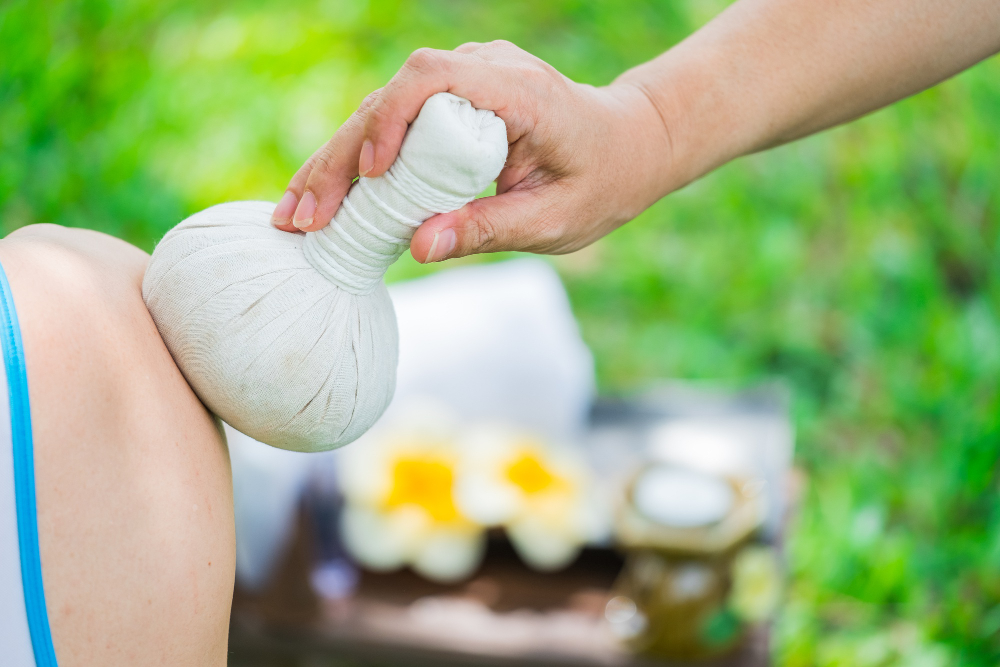
Specialised therapies like Abhyanga (warm oil massage) and Janu Basti (therapeutic oil pooling on the knee) are commonly recommended for knee osteoarthritis treatment in Ayurveda. These therapies help lubricate the joint, ease stiffness, and improve flexibility.
Ayurvedic Diet for Knee Osteoarthritis
A Vata-pacifying diet plays a crucial role in joint health. Ayurveda recommends:
- Warm, freshly cooked meals
- Healthy oils such as sesame oil or ghee
- Anti-inflammatory spices like turmeric and ginger
- Avoiding cold, dry, and processed foods
Always follow treatments under the supervision of a qualified Ayurveda practitioner for safe and effective results.
Benefits and Limitations of Ayurveda for Osteoarthritis Knee
Ayurvedic knee pain relief can offer multiple benefits, especially in early to moderate stages of osteoarthritis. Benefits may include:
- Reduction in knee pain and inflammation
- Improved joint flexibility and movement
- Enhanced overall well-being and mobility
However, it is important to understand the limitations. Ayurveda cannot reverse severe cartilage damage or advanced joint degeneration. In such cases, modern medical or surgical interventions may be required. Ayurveda works best as part of an integrative osteoarthritis care plan.
Safety, Precautions, and When to Seek Medical Advice
Ayurvedic treatment for knee osteoarthritis is generally safe when prescribed by trained professionals. Keep these precautions in mind:
- Consult a certified Ayurveda doctor before starting treatment
- Inform your physician about any herbs or supplements you are taking
- Monitor for side effects such as digestive discomfort or allergies
- Do not stop prescribed medications without medical advice
If you experience severe knee pain, persistent swelling, or difficulty walking, seek immediate medical attention. The World Health Organization supports the integration of traditional and modern healthcare for chronic conditions.
Lifestyle Tips for Knee Health (Ayurvedic Perspective)
Ayurveda emphasises daily habits that support long-term knee joint health:
- Engage in gentle activities like walking, yoga, or stretching
- Maintain a healthy weight to reduce knee joint stress
- Perform regular warm oil massage to nourish joints
- Follow a balanced, Vata-calming diet
- Get adequate rest and manage stress levels
Consistent lifestyle changes can significantly improve knee osteoarthritis management over time.
Prevention Strategies
Preventing knee osteoarthritis is easier than managing advanced joint damage. Ayurveda recommends:
- Regular low-impact exercise to maintain joint flexibility
- Wearing supportive footwear to prevent knee strain
- Consuming joint-friendly foods like sesame seeds, leafy greens, and whole grains
- Staying hydrated with warm water and herbal teas
These habits help reduce the risk of developing chronic knee joint problems.
Conclusion and Call-to-Action
Ayurveda for osteoarthritis knee provides natural, holistic options to manage pain, stiffness,SEO-optimised keywords and joint degeneration. While these therapies can offer relief and support joint health, they are most effective when combined with proper medical guidance.
For personalised and safe Ayurvedic treatment for knee osteoarthritis, consult a qualified Ayurveda practitioner at Amrutsiddhi Ayurveda for expert guidance and a tailored care plan.